 602.577.8295
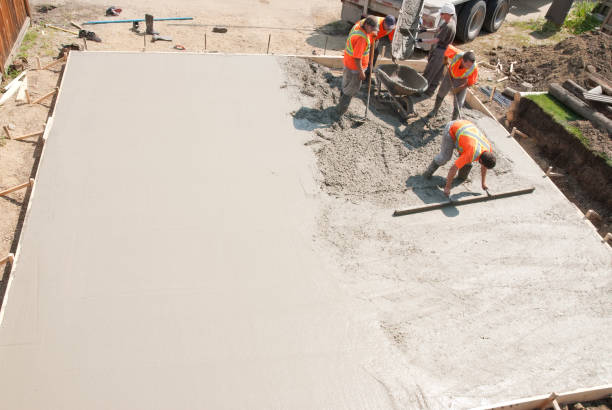
1. Start Curing Immediately After Finishing
In Arizona’s dry climate, it’s crucial to begin curing as soon as finishing operations are completed. Delaying the start of curing can compromise the strength and durability of the concrete. Techniques such as applying curing compounds, using wet burlap, or covering with plastic sheeting help retain moisture and reduce the risk of cracking.
2. Use White Pigmented Curing Compounds
Applying a white pigmented curing compound can help reflect sunlight and reduce heat absorption, which is particularly beneficial in Arizona’s intense sun.
3. Maintain Moisture Consistently
Consistent moisture is vital for proper curing. In Arizona’s low humidity, concrete can dry out rapidly. Methods such as misting, using wet burlap, or covering with plastic sheeting help maintain the necessary moisture levels. It’s essential to monitor and adjust these methods as needed to ensure effective curing.
4. Schedule Pouring During Cooler Times
To mitigate the effects of Arizona’s heat, schedule concrete pouring during cooler parts of the day, such as early morning or late afternoon. This timing allows the concrete to set before the peak temperatures, reducing the risk of rapid moisture loss and ensuring a more controlled curing process.
5. Monitor and Adjust Curing Methods
Regular monitoring of the curing process is essential. Adjust methods as needed based on weather conditions, concrete mix, and other factors. For instance, on extremely hot days, additional misting or shading may be necessary to prevent rapid drying. Conversely, on cooler days, less frequent watering may suffice.
6. Avoid Overwatering
While maintaining moisture is crucial, overwatering can weaken the concrete. Excess water can lead to a higher water-to-cement ratio, reducing the concrete’s strength and durability. It’s important to find a balance and ensure that the concrete remains adequately moist without becoming overly saturated.

7. Consider Using Set Retarders
In high temperatures, concrete can set too quickly, leading to issues such as cracking. Using set retarders can slow down the setting time, allowing for more time to finish and cure the concrete properly. This is particularly beneficial in Arizona’s hot climate.
Conclusion
Proper curing is essential for achieving durable and long-lasting concrete in Arizona’s challenging climate. By implementing these best practices, you can ensure that your concrete projects withstand the test of time and the harsh desert conditions.
For professional assistance with your concrete projects, consider reaching out to JM Concrete Pros. With years of experience in the East Valley, they specialize in providing high-quality concrete services tailored to Arizona’s unique climate. Their expertise ensures that your concrete projects are executed with precision and care.