 602.577.8295
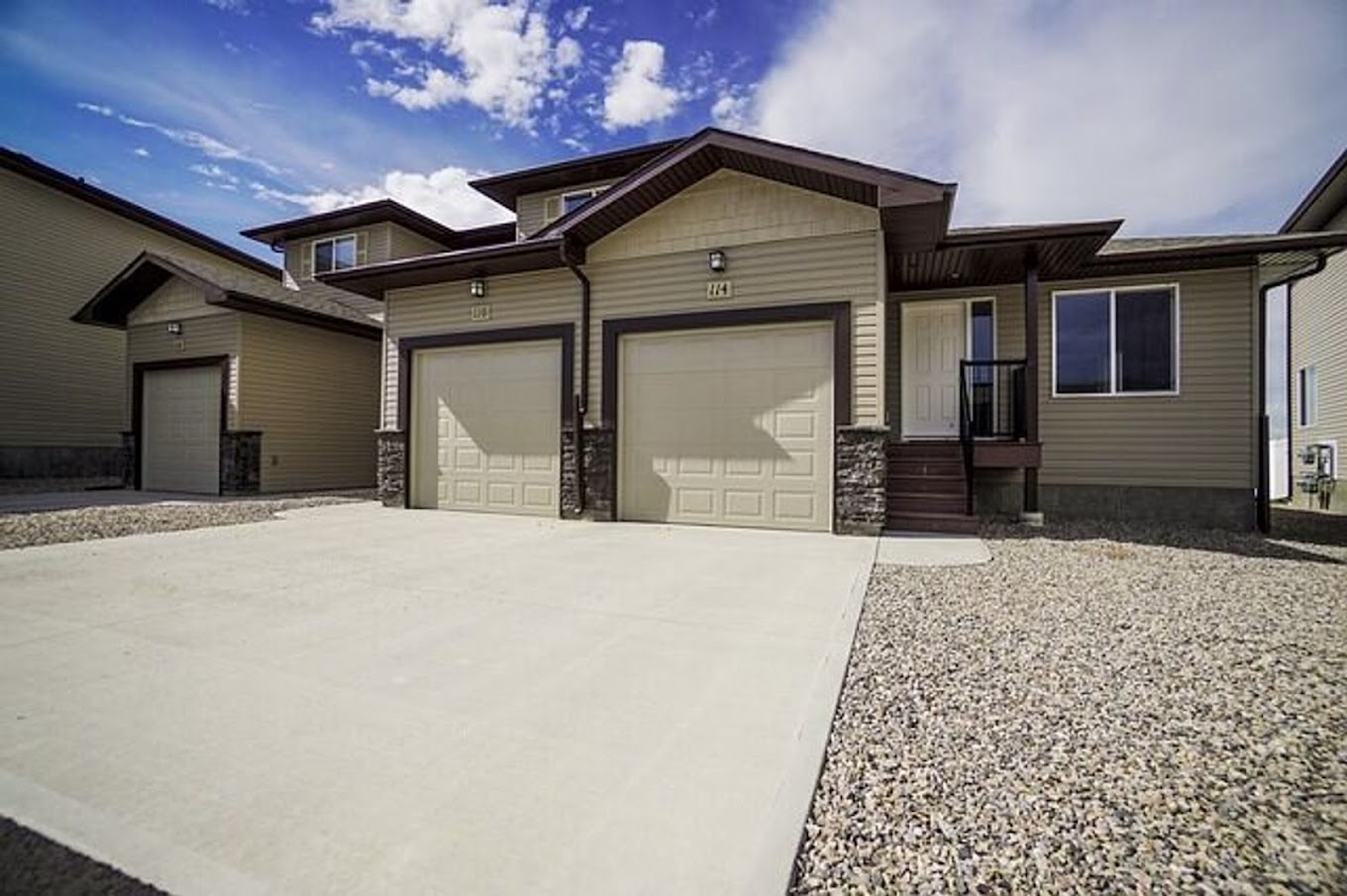
Concrete or Asphalt? East Valley Driveway Guide
When it comes to choosing the right material for your driveway in Arizona’s East Valley—encompassing areas like Mesa, Chandler, Queen Creek, and Gilbert—the decision often boils down to two popular options: concrete and asphalt. Each has its own set of advantages and considerations, especially given the region’s unique climate and soil conditions. This guide will help you navigate the pros and cons of each material to make an informed choice for your home.
1. Climate Considerations: Heat Resistance and Performance
Arizona’s East Valley experiences intense heat, with summer temperatures frequently soaring above 100°F. This extreme heat can significantly impact driveway materials.
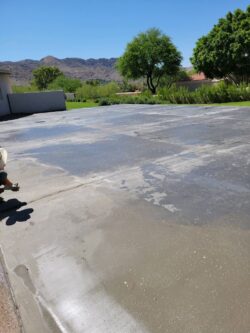
- Concrete: Known for its durability, concrete handles high temperatures well, maintaining its structural integrity without softening. Its light color also reflects sunlight, keeping the surface cooler underfoot.
- Asphalt: While asphalt is flexible and can withstand minor ground movements, it tends to absorb heat, making it hotter to the touch. In extreme temperatures, asphalt can soften, leading to indentations or marks from heavy vehicles.
2. Cost Analysis: Initial Investment vs. Long-Term Value
Budget is a crucial factor in any home improvement project. Here’s how concrete and asphalt compare in terms of cost:
- Concrete: The initial installation cost for concrete driveways ranges from $4 to $10 per square foot. While this is higher upfront, concrete’s longevity can make it more cost-effective over time.
- Asphalt: Asphalt driveways are generally less expensive to install, with costs between $2 and $6 per square foot. However, they may require more frequent maintenance, which can add to the total cost over the years.
3. Maintenance Requirements: Effort and Frequency
Maintenance is essential to prolong the life of your driveway. Understanding the upkeep each material requires can influence your decision:
- Concrete: Requires minimal maintenance. Occasional sealing and prompt crack repairs can keep it in good condition for decades.
- Asphalt: Needs more regular maintenance, including sealing every 3 to 5 years to prevent deterioration. Cracks should be filled promptly to avoid water infiltration and further damage.
4. Aesthetic Appeal: Customization and Curb Appeal
Your driveway contributes significantly to your home’s curb appeal. Here’s how each material fares aesthetically:
- Concrete: Offers various customization options, including stamping, staining, and coloring, allowing for a range of designs that can complement your home’s style.
- Asphalt: Typically has a uniform black appearance. While it’s less customizable, some homeowners prefer its classic look.
5. Lifespan and Durability: Long-Term Performance
Considering how long each material lasts can impact your choice:
- Concrete: With proper installation and maintenance, concrete driveways can last 30 years or more.
- Asphalt: Generally has a lifespan of 15 to 20 years, though this can vary based on maintenance and environmental factors.Final Thoughts:
Both concrete and asphalt have their merits, and the best choice depends on your specific needs, budget, and preferences. For homeowners in Arizona’s East Valley, concrete often stands out for its durability and heat resistance. However, if upfront cost is a primary concern, asphalt may be more appealing.
For personalized advice and professional installation, consider reaching out to local experts like JM Concrete Pros, who understand the unique challenges and requirements of the East Valley region.